
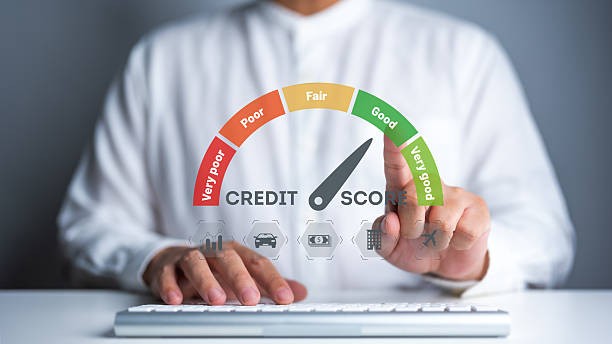
Your credit score is a three-digit number that tells lenders how likely you are to repay borrowed money. In Canada, scores range from 300 to 900 — and the higher your score, the better your access to favourable interest rates, credit cards, mortgages, and rental applications.
How Is Your Credit Score Calculated?
While the exact formulas used by Equifax and TransUnion are proprietary, credit scores in Canada are generally based on five key factors:
1. Payment history (35%) — Paying your bills on time is the single most important factor.
2. Credit utilisation (30%) — How much of your available credit you are using. Keeping utilisation below 30% is recommended.
3. Length of credit history (15%) — Longer credit histories are generally better.
4. Credit mix (10%) — Having a variety of credit types (credit cards, instalment loans, lines of credit) can help.
5. New credit inquiries (10%) — Applying for multiple new credit accounts in a short period can lower your score.
Practical Steps to Improve Your Score
Pay Every Bill on Time
Set up automatic payments or calendar reminders for every bill — credit cards, loans, utilities, and phone plans. Even one missed payment can stay on your credit report for up to six years.
Lower Your Credit Utilisation
If your credit card limit is $5,000 and you are carrying a $4,000 balance, your utilisation is 80% — far too high. Pay down balances aggressively or request a credit limit increase (without increasing your spending).
Keep Old Accounts Open
Closing a long-standing credit card can shorten your credit history and reduce your available credit, both of which can lower your score. Keep older accounts open, even if you rarely use them.
Limit Hard Inquiries
Each time you apply for credit, a hard inquiry appears on your report. Too many inquiries in a short period can signal risk to lenders. Only apply for credit when you genuinely need it.
Check Your Credit Report for Errors
Review your credit reports from both Equifax and TransUnion regularly. Errors — such as accounts that do not belong to you, incorrect balances, or outdated information — can drag your score down. You can dispute errors directly with the credit bureaus.
Use a Secured Credit Card
If your credit is poor or you are building credit for the first time, a secured credit card — where you provide a deposit as collateral — can help you establish a positive payment history.
How Long Does It Take?
Improving your credit score is not an overnight process. Depending on your starting point, it can take several months to a year of consistent effort to see meaningful improvement. The key is patience and discipline.
How an Identity Theft Protection Plan Can Help
An Identity Theft Protection Plan includes credit monitoring that helps you track your progress, detect errors or fraud early, and stay on top of your financial health.
Ready to Get Protected?
Get affordable legal protection today. Choose your location to explore Identity Theft Protection Plans.