
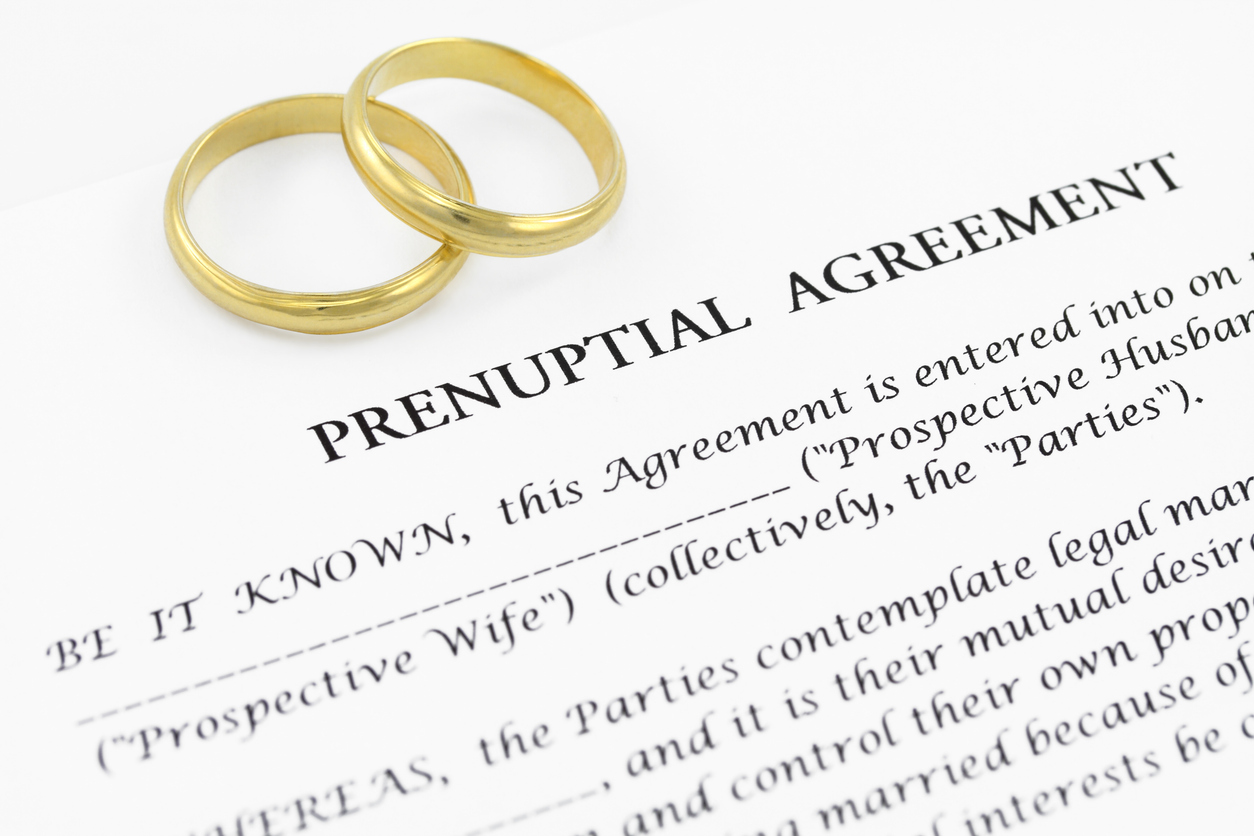
Nobody gets married planning for divorce, but having a financial agreement in place can protect both partners and reduce conflict if the relationship does end. In Canada, these agreements are commonly known as marriage contracts (prenups) and postnuptial agreements (postnups), and they serve similar purposes — with a few key differences.
What Is a Prenuptial Agreement?
A prenuptial agreement — or marriage contract — is a written agreement signed by both partners before they get married. It typically outlines how assets, debts, and property will be divided if the marriage ends in separation or divorce.
Common Reasons for a Prenup
What Is a Postnuptial Agreement?
A postnuptial agreement is signed after the marriage has already taken place. It covers the same topics as a prenup but is created in response to changes that occur during the marriage.
Common Reasons for a Postnup
Key Differences
| Feature | Prenup | Postnup |
|---|---|---|
| Timing | Signed before marriage | Signed after marriage |
| Court scrutiny | Generally less scrutiny | May face closer examination |
| Consideration | The marriage itself serves as consideration | May require additional consideration |
In Canada, courts may examine postnuptial agreements more carefully because spouses owe each other fiduciary duties once married. However, both types of agreements can be equally strong if properly drafted.
What Makes an Agreement Valid?
For either agreement to be enforceable in Canada, it generally must:
What Can Invalidate an Agreement?
How a Personal Legal Service Plan Can Help
A Personal Legal Service Plan gives you access to a dedicated Provider Law Firm in your province or state with experienced family law Lawyers who can help you understand the difference between a prenup and a postnup, draft an agreement that is fair and enforceable, and ensure your financial future is protected — no matter what happens.
Ready to Get Protected?
Get affordable legal protection today. Choose your location to explore Personal Legal Service Plans.