
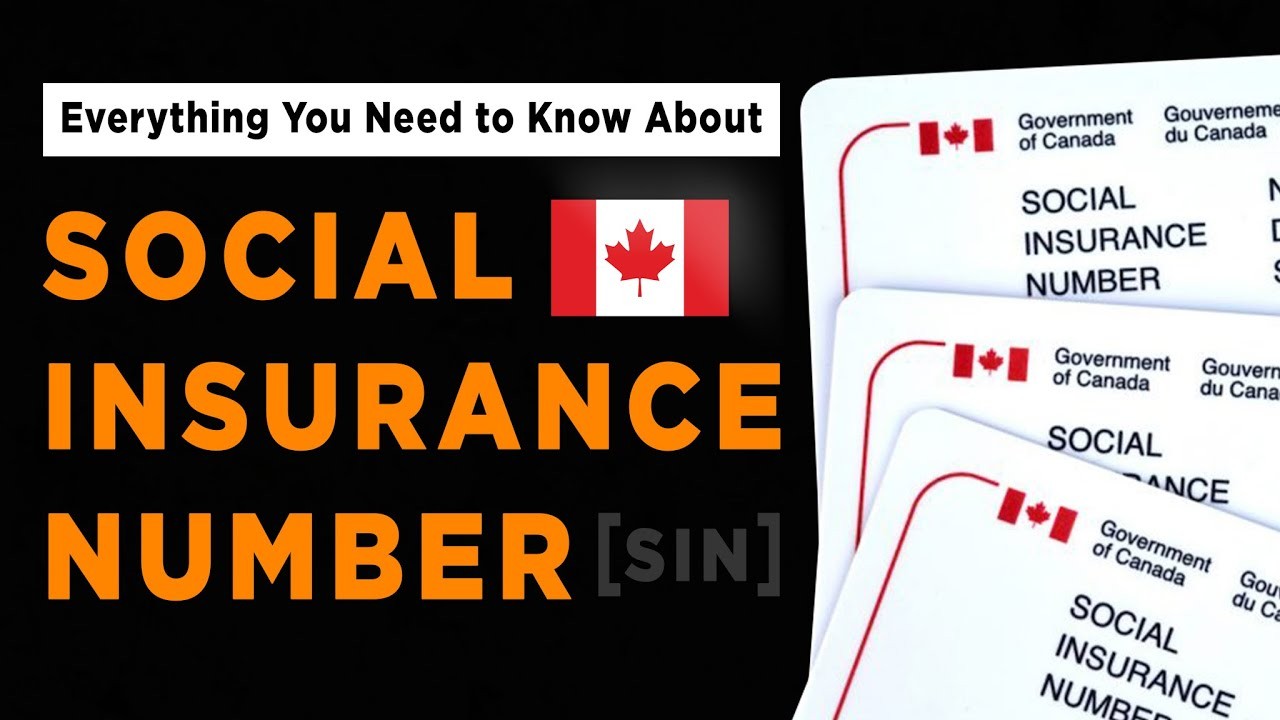
Your Social Insurance Number (SIN) is one of the most sensitive pieces of personal information you have. It is used for tax filing, employment, government benefits, and financial services. If your SIN falls into the wrong hands, the consequences can be severe — including fraudulent tax filings, unauthorised credit applications, and years of cleanup.
How Your SIN Can Be Compromised
Steps to Take Immediately
1. Contact the Canada Revenue Agency (CRA)
Call the CRA at 1-800-959-8281 and inform them that your SIN may have been compromised. They can add extra security measures to your tax account to prevent fraudulent filings and benefit redirections. You can also complete Form RC213 — the Identity Theft and Suspicious Activity Declaration Form — and submit it to the CRA.
2. Contact Service Canada
Call 1-800-622-6232 to report the compromise. Service Canada can advise you on whether a new SIN should be issued. New SINs are issued only in cases of confirmed fraud — not simply because the number was exposed.
3. Place a Fraud Alert on Your Credit Files
Contact both Equifax and TransUnion to place a fraud alert on your credit files. This requires lenders to take extra steps to verify your identity before opening new accounts in your name.
4. File a Police Report
Report the identity theft to your local police. Obtain a file number — you will need it when dealing with financial institutions and government agencies.
5. Report to the Canadian Anti-Fraud Centre
Call the CAFC at 1-888-495-8501 to report the incident. You can also report online. The CAFC collects data on fraud and shares it with law enforcement agencies across Canada.
6. Monitor Your Financial Accounts
Check your bank accounts, credit cards, and other financial accounts for any unauthorised activity. Set up transaction alerts and review your statements carefully.
7. Check Your Credit Reports
Order your full credit reports from both Equifax and TransUnion. Look for accounts you did not open, inquiries you did not make, and any changes to your personal information. If you find discrepancies, dispute them immediately.
8. Keep Detailed Records
Document everything: the date you discovered the compromise, who you contacted, file numbers, and any financial losses. This paper trail is essential for resolving disputes and filing insurance claims.
Can You Get a New SIN?
Service Canada will issue a new SIN only if there is evidence that your current SIN has been used fraudulently. Simply having your SIN exposed in a data breach is generally not enough to qualify for a replacement. However, if fraud has occurred, a new SIN can help prevent further misuse.
How an Identity Theft Protection Plan Can Help
An Identity Theft Protection Plan provides continuous monitoring of your SIN, credit files, and personal information across the dark web and public records. If your SIN is compromised, dedicated restoration specialists guide you through every step — from reporting to recovery — and insurance coverage helps protect you from financial loss.
Ready to Get Protected?
Get affordable legal protection today. Choose your location to explore Identity Theft Protection Plans.